gRPC vs WebSocket for Solana Data in the Alpenglow Era
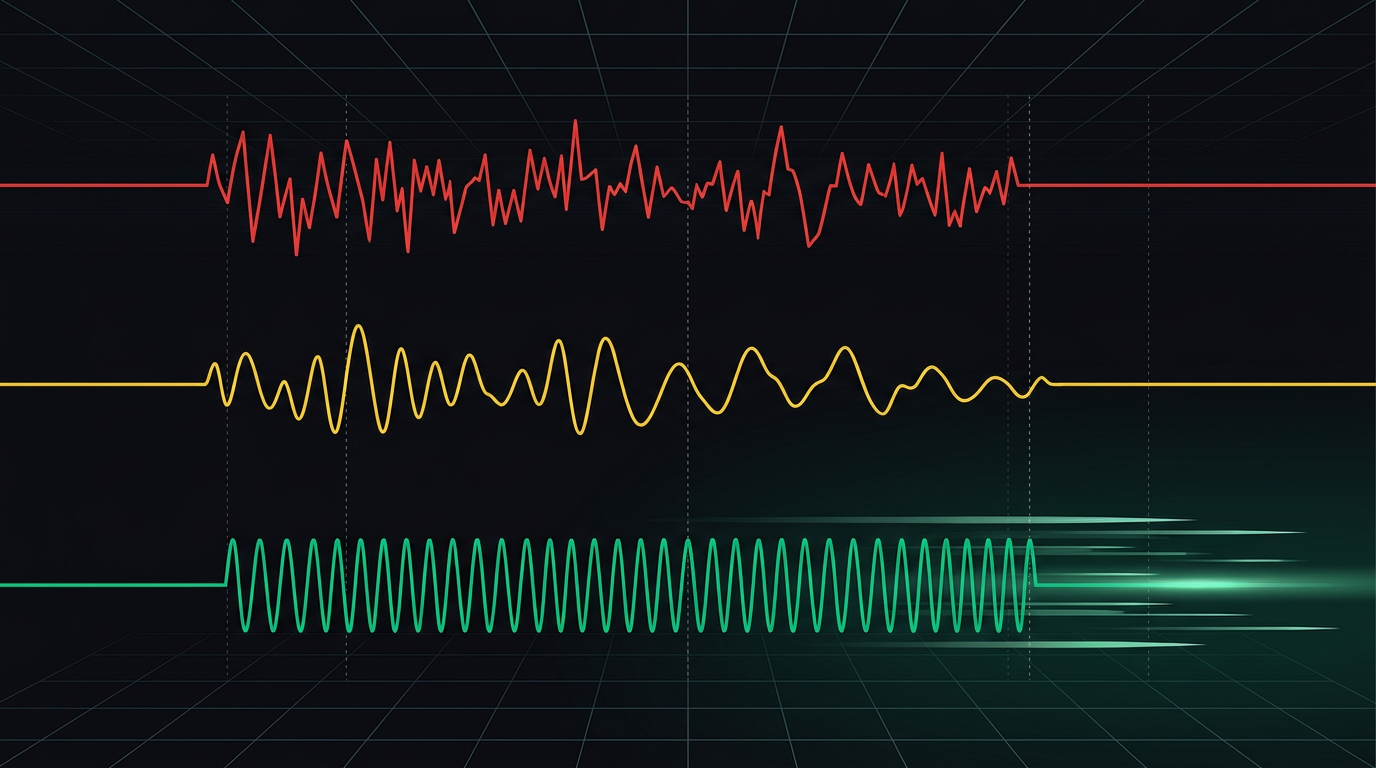
Every Solana bot builder faces the same choice: Yellowstone gRPC or WebSocket via JSON-RPC? With Alpenglow consensus pushing finality under 200ms, this decision matters more than ever. We ran real benchmarks. Here are the results.
Test Setup
We compared three approaches: raw WebSocket via accountSubscribe, Yellowstone gRPC (unfiltered), and Subglow filtered gRPC. All clients ran on the same machine in Frankfurt, connected to the same validator cluster.
| Metric | WebSocket | Raw gRPC | Filtered gRPC |
|---|---|---|---|
| Slot-to-client latency | ~120ms | ~15ms | ~4ms* |
| Bandwidth per hour | ~2.1 GB | ~8.4 GB | ~120 MB |
| Messages/sec | ~800 | ~15,000 | ~200** |
| CPU usage (parsing) | High | Very high | Minimal |
*After server-side filtering and parsing. **Depends on filter selection (Pump.fun + Raydium + Jupiter shown).
Why gRPC Wins on Latency
WebSocket connections via JSON-RPC go through the RPC node's HTTP layer, adding serialization overhead and queue delays. Yellowstone gRPC connects directly to the validator's Geyser plugin — the data stream that records every account change and transaction as it happens.
With Alpenglow reducing slot times and enabling sub-200ms finality, the ~100ms advantage of gRPC over WebSocket isn't just nice-to-have — it's the difference between landing a transaction in the current slot vs. the next one.
The Bandwidth Problem
Raw gRPC is fast but noisy — 8+ GB/hour of data, most of which your bot doesn't need. This is where filtered gRPC shines: same low latency, but only the transactions you care about. A Pump.fun + Raydium filter reduces bandwidth by 98% while keeping slot-to-client latency under 5ms.
Cost Comparison
Running your own Yellowstone gRPC node costs $800-1,200/mo for a bare-metal server with enough NVMe storage and bandwidth. A shared RPC with WebSocket runs $50-200/mo but with higher latency. Subglow's filtered gRPC starts at $99/mo with latency comparable to running your own node.
When to Use What
- WebSocket: Simple dashboards, low-frequency monitoring, non-latency-sensitive applications
- Raw gRPC: When you need every transaction on the network (indexers, full-chain analytics)
- Filtered gRPC: Trading bots, snipers, MEV — when you need specific programs with minimal latency
Alpenglow Changes the Game
With Alpenglow, Solana is moving from ~400ms slot times toward sub-200ms finality. This compresses the window for every trading strategy. The latency of your data pipeline becomes the bottleneck — not the chain. Filtered gRPC gives you the lowest-latency access to the specific data your bot needs.
Ready to try it?
Get your API key and start receiving filtered data in under 5 minutes. Free tier available.
Get started →